Keeping Your Bi-Fold Doors Folding: A Guide to Common Repairs
Bi-fold doors, also referred to as folding doors, have become a popular choice for property owners looking for to seamlessly blend indoor and outside home. Their ability to concertina nicely to one side offers a large opening, maximizing natural light and producing a sense of spaciousness. From patio entrances to room dividers, bi-fold doors improve both performance and aesthetics. Nevertheless, like any moving component in a home, bi-fold doors undergo use and tear gradually. Regular usage and environmental factors can result in numerous concerns that, if left unaddressed, can compromise their smooth operation and durability.
Comprehending the typical problems that can arise with bi-fold doors and knowing how to deal with fundamental repairs is essential for maintaining their performance and beauty. This post aims to provide a helpful guide to common bi-fold door repairs, empowering house owners to repair small issues themselves and acknowledge when professional intervention is needed. We will explore the typical problems, offer detailed DIY repair advice, and discuss preventative steps to ensure your bi-fold doors continue to work flawlessly for many years to come.
Typical Bi-fold Door Problems: Identifying the Issues
Before trying any repairs, it's important to precisely detect the issue affecting your bi-fold doors. Common issues can vary from simple modifications to more complex part failures. Here are some of the most frequent issues you may encounter:
- Sticking or Stiff Movement: This is arguably the most common complaint. Doors might become challenging to open or close, requiring excessive force. This is often triggered by friction, blockage in the tracks, or a lack of lubrication.
- Misalignment: Doors might appear unequal, not closing flushly, or rubbing against the frame. Misalignment can stem from loose hinges, track problems, or perhaps foundation settling over time.
- Damaged Hinges: Hinges are vital for the folding action. They can end up being loose, bent, and even break due to continuous usage or excessive force. Harmed hinges will make the doors droop or bind.
- Harmed Rollers or Tracks: Bi-fold doors depend on rollers moving smoothly within tracks. Rollers can wear down, fracture, or end up being jammed. Tracks can likewise end up being bent, dirty, or harmed, hindering smooth movement.
- Damaged Panels or Glass: While less regular, panels or glass panes can split or break due to effect or tension. This presents a safety hazard and requires instant attention.
- Drafts or Leaks: Gaps around the doors, especially when closed, can cause drafts, water leaks, or increased energy costs. This might be due to harmed weather condition stripping, misalignment, or warping.
Do It Yourself Bi-fold Door Repairs: Taking Matters into Your Own Hands
Many typical bi-fold door issues can be attended to with basic DIY skills and a couple of readily available tools. Nevertheless, it's crucial to prioritize safety and take a detailed technique. If you are unpleasant with any of these treatments, or if the issue appears complex, it's always best to speak with a professional.
Here are some DIY repair strategies for common concerns:
1. Addressing Sticking or Stiff Movement:
This is typically the most convenient issue to solve.
Cleaning the Tracks:
- Carefully inspect the top and bottom tracks for any particles, dirt, or blockages.
- Use a vacuum with a crevice tool or a stiff brush to completely clear out the tracks.
- For persistent dirt, use a damp cloth and moderate detergent. Ensure the tracks are completely dry afterwards.
Lubricating Rollers and Tracks:
- Apply a silicone-based lube spray to the rollers and along the tracks. Silicone lube is chosen as it doesn't draw in dust and gunk like oil-based lubes.
- Open and close the doors a number of times to distribute the lubricant uniformly.
- Clean away any excess lube with a tidy cloth.
2. Correcting Minor Misalignment:
Slight misalignment can frequently be corrected with hinge or roller changes.
Changing Hinges:
- Locate the change screws on the hinges. These are normally small screws on the hinge plates.
- Utilizing a screwdriver, carefully loosen the screws slightly.
- Carefully change the door panel to realign it. You may require to open and close the doors a few times to examine the positioning.
- As soon as aligned, tighten up the screws securely, but avoid over-tightening.
Changing Rollers (if suitable):
- Some bi-fold door systems have adjustable rollers. Locate the adjustment system (frequently a screw or nut on the roller assembly).
- Utilizing the appropriate tool, change the roller height slightly to raise or lower the door panel as required.
- Check the door movement and make more modifications until the door operates smoothly and is appropriately lined up.
3. Hinge Replacement:
Replacing a harmed hinge is a reasonably difficult DIY job.
Gathering Tools and Materials:
- New hinge of the right type and size.
- Screwdriver (matching the screw type on your hinges).
- Pencil.
- Possibly a drill and pilot drill bit if new screw holes are required.
Step-by-Step Hinge Replacement:
- Carefully get rid of the screws securing the old hinge to both the door panel and the frame.
- Remove the old hinge.
- Position the new hinge in the same location as the old one.
- Align the screw holes of the new hinge with the existing holes.
- If the screw holes line up, place and tighten up the screws to protect the brand-new hinge.
- If the screw holes do not line up, utilize a pencil to mark the brand-new screw hole areas through the hinge holes.
- Eliminate the hinge and pre-drill pilot holes at the significant locations utilizing a drill and pilot drill bit (a little smaller sized than the screw size).
- Re-attach the brand-new hinge and secure it with screws.
- Check the door movement to make sure the brand-new hinge functions correctly.
4. Attending To Minor Roller or Track Issues:
Cleaning and lubrication can often resolve minor roller and track problems. If rollers are noticeably damaged, replacement may be required.
- (As described in Section 1) Clean and lubricate the tracks and rollers initially.
- Roller Replacement (if essential):
- Identify the kind of rollers your doors utilize. You might need to eliminate a roller to take it to a hardware store for matching.
- Depending upon the door system, you may require to partially disassemble the door to gain access to and remove the old roller.
- Install the brand-new roller in the reverse order of elimination.
- Ensure the roller is firmly in location and moves freely in the track.
When to Call a Professional: Recognizing Limitations
While DIY repairs can be reliable for many concerns, certain issues need the know-how and tools of an expert door repair service. It's prudent to look for professional help in the following scenarios:
- Complex Misalignment Issues: If adjustments to hinges and rollers do not fix significant misalignment, it could indicate a structural problem or a more complicated problem that needs professional medical diagnosis and correction.
- Broken Glass Replacement: Replacing broken glass panes in bi-fold doors is a safety-sensitive task that must be managed by professionals. They have the know-how and tools to safely eliminate damaged glass and install new panes, guaranteeing correct sealing and safety compliance.
- Structural Damage to the Frame: If you notice fractures, warping, or other structural damage to the door frame, this is a severe problem that needs professional evaluation and repair. Trying DIY repairs on structural components can be risky and compromise the integrity of the door system.
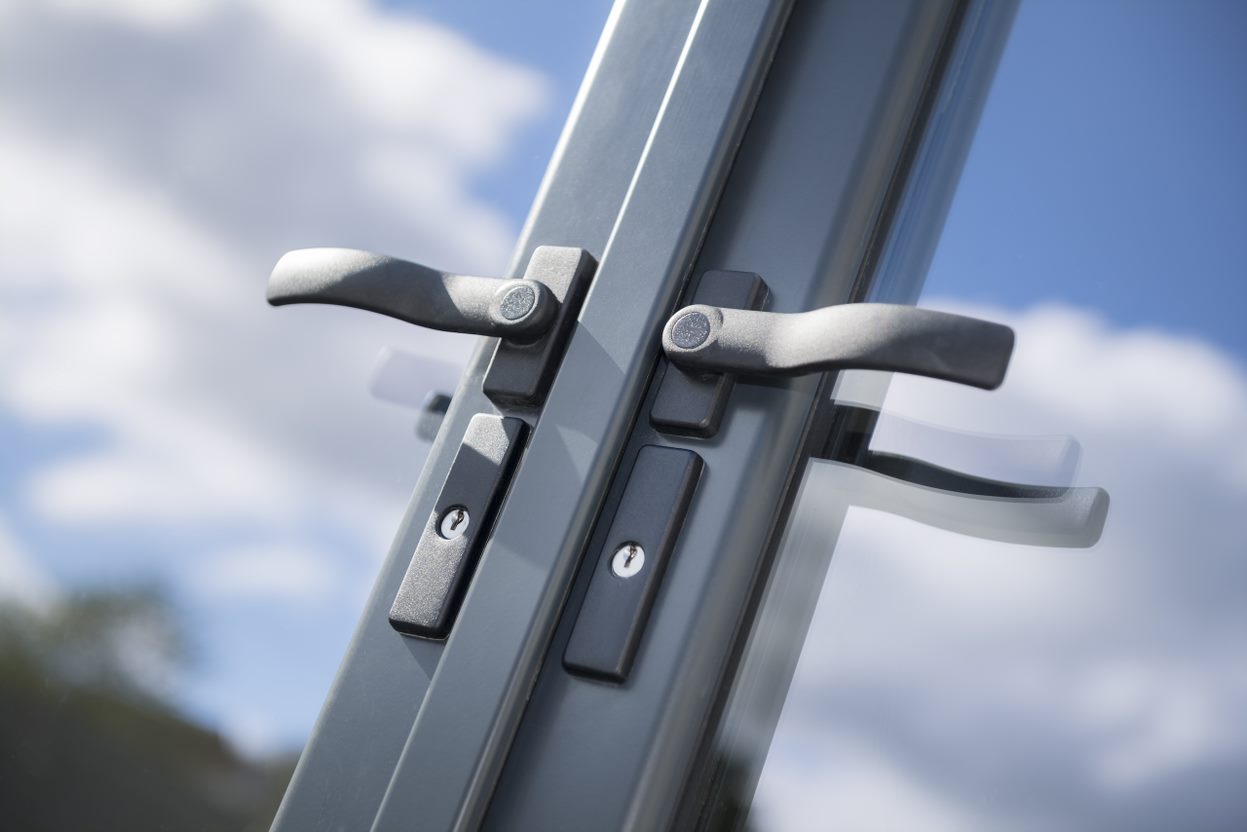
- Issues with the Locking Mechanism: Problems with the locking mechanism, such as a jammed lock or a lock that doesn't engage properly, can compromise security. Bifold Door Handle Repairs Chiswick or door repair technicians can identify and repair complicated locking system issues.
- Unpredictability or Discomfort: If you are unpleasant carrying out any of the DIY repairs explained above, or if you are unsure about the nature of the issue, it's always best to err on the side of care and call an expert.
Preventative Maintenance: Extending the Life of Your Bi-Fold Doors
Proactive upkeep is essential to reducing repairs and ensuring the long life-span of your bi-fold doors. Executing a routine upkeep regimen can conserve you time and cash in the long run.
Here are some important preventative maintenance tips:
- Regular Cleaning: Clean the tracks and rollers at least a few times a year, or more often in dusty or exposed environments. This prevents particles accumulation that can trigger sticking and wear.
- Lubrication: Lubricate the rollers and tracks yearly with a silicone-based lube. This keeps the doors moving efficiently and lowers friction.
- Examine Hinges and Screws: Regularly check hinges for looseness and tighten up any screws that have become loose. This prevents misalignment and hinge damage.
- Check Weather Stripping: Inspect weather stripping for damage or wear and tear and replace it as required to maintain weather tightness and energy performance.
- Mild Operation: Avoid slamming the doors or forcing them open or closed. Gentle operation minimizes tension on hinges, rollers, and other elements, prolonging their lifespan.
Bi-fold doors provide a gorgeous and functional addition to any home, bringing the outdoors in and creating versatile living spaces. Understanding common repair requirements and implementing basic maintenance practices are important for guaranteeing their continued smooth operation and longevity. By following the DIY repair recommendations laid out in this post and recognizing when expert help is needed, you can keep your bi-fold doors folding effortlessly and boost your home for years to come. Keep in mind, regular care and prompt attention to minor concerns can avoid more expensive and intricate repairs down the line, protecting the appeal and performance of your investment.
Often Asked Questions (FAQs) About Bi-Fold Door Repairs
Q1: How frequently should bi-fold doors be serviced?
A: A standard service, consisting of cleansing and lubrication, need to be performed a minimum of yearly. In dirty or high-use environments, more regular maintenance might be useful.
Q2: What tools are required for basic bi-fold door repairs?
A: For the majority of basic repairs, you will require:
- Screwdrivers (numerous types, consisting of Phillips and flathead)
- Vacuum cleaner with crevice tool
- Stiff brush
- Silicone-based lubricant spray
- Potentially a damp cloth and moderate cleaning agent
- Potentially a drill and pilot drill bits for hinge replacement
Q3: Can I replace bi-fold door hinges myself?
A: Yes, replacing hinges is a DIY job for those comfy with fundamental home repairs. Follow the detailed instructions described in this article, guaranteeing you utilize the proper type and size of hinge.
Q4: How can I stop my bi-fold doors from sticking?
A: The most typical reasons for sticking doors are dirty tracks and lack of lubrication. Frequently cleaning up the tracks and rollers and using silicone lube will typically solve this concern.
Q5: How much does it cost to repair bi-fold doors professionally?
A: The expense of expert bi-fold door repairs varies depending on the intricacy of the issue, the parts needed, and the labor rates in your area. Basic repairs like track cleaning or roller replacement may cost between ₤ 50-₤ 150, while more complex repairs like hinge replacement, glass replacement, or structural problems can vary from ₤ 200-₤ 500 or more. It's constantly best to get a quote from a qualified door repair service for a precise price quote.